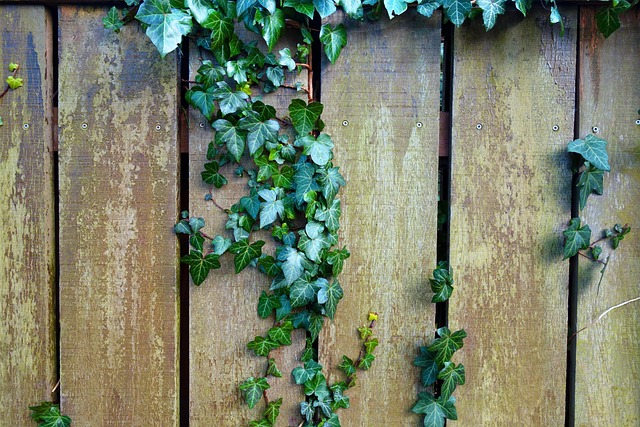
In the realm of outdoor home improvement, a well-crafted fence is not merely a structural element but an investment in security, aesthetics, and property value. New Bedford residents now have a comprehensive guide to navigate the process of fence repair and installation with precision and expertise. This authoritative piece delves into the intricacies of understanding local regulations, selecting the perfect fence style and durable materials, preparing for installation, and offers a step-by-step approach to ensure a solid foundation. Furthermore, it uncovers common issues and provides repair techniques, alongside maintenance tips to guarantee longevity and an eye-catching outdoor space.
- Understanding New Bedford Fence Requirements
- Choosing the Right Fence Style and Material
- Planning and Preparation for Installation
- Step-by-Step Guide to Fence Installation
- Common Issues and Effective Repair Techniques
- Maintenance Tips for Longevity and Beauty
Understanding New Bedford Fence Requirements
In New Bedford, fence repair and installation require a deep understanding of local codes, weather patterns, and unique residential and commercial landscape demands. Homeowners and businesses alike face specific challenges, from coastal wind and salt air that can erode materials to dense, diverse vegetation that necessitates careful navigation during installation.
New Bedford’s historic architecture adds another layer of complexity. Many properties boast older fences that require specialized restoration techniques, preserving the city’s rich aesthetic heritage. Furthermore, property lines in this densely populated area are often tightly defined, mandating precise measurement and layout to avoid encroachments.
Local regulations also play a significant role. New Bedford has specific guidelines regarding fence height, materials used, and installation methods, particularly around historical districts and waterfront properties. Compliance with these rules is not just legal obligation but ensures that new fences enhance, rather than disrupt, the existing neighborhood character.
Choosing the Right Fence Style and Material
Choosing the right fence style and material is a crucial step in New Bedford fence repair and installation. It determines both the aesthetics of your outdoor space and its functionality, from providing privacy to securing your property. The first consideration is understanding your needs—do you seek a visual barrier for privacy, a protective fence against intruders, or a decorative element that enhances your landscape?
Different fence styles cater to these varied needs. For instance, a solid wood fence offers maximum privacy but requires more maintenance than a vinyl fence, which is low-maintenance and durable. Chain link fences are cost-effective and provide security without blocking all visual access. A split-rail fence, popular for its rustic charm, can be both functional and decorative, suiting picturesque rural properties.
Material selection should align with your style preferences and local climate. Wood, though beautiful, may rot in humid environments, necessitating regular treatment. Vinyl, on the other hand, is resistant to rot, rust, and peeling but may not offer as much aesthetic flexibility. Metal fences, like steel or aluminum, are sturdy and low-maintenance but can be susceptible to corrosion if not properly treated. Composite materials combine wood and plastic for durability and low maintenance, making them a versatile option.
Ultimately, the best fence is one that meets your functional requirements while enhancing the beauty of your property. By carefully considering both style and material, you’ll ensure a successful New Bedford fence repair or installation project.
Planning and Preparation for Installation
Planning and Preparation for New Bedford Fence Installation is Key to a Strong, Lasting Structure
Before installing or repairing a fence in New Bedford, careful planning and preparation are essential. This isn’t just about choosing the right materials; it involves assessing your property, understanding local regulations, and ensuring proper safety protocols. A solid foundation starts with considering factors like soil conditions, nearby vegetation, and existing structures. For instance, a wooden fence may require more maintenance than a vinyl one, especially when facing New Bedford’s salt air and changing weather patterns.
Researching local building codes is crucial to avoid any legal snags. Different neighborhoods in New Bedford might have specific guidelines on fence height, materials, and placement, especially near streets or public spaces. You’ll also need to plan for the logistics of installation—obtaining necessary permits, arranging access to your property, and coordinating with contractors or DIY tools and equipment. Safety is paramount; ensuring proper safety gear and following manufacturer instructions for assembly and installation will prevent accidents and ensure longevity of the fence.
Furthermore, envisioning the fence’s purpose and aesthetic appeal is vital. Consider the function—is it a privacy barrier, security measure, or decorative accent? This determination guides material selection and design choices. For instance, a high wooden fence offers more privacy while a low vinyl fence may be better for defining property lines clearly. Think about how the fence will blend with your existing landscape and neighborhood aesthetics for a harmonious result.
Step-by-Step Guide to Fence Installation
Step-by-Step Guide to Fence Installation in New Bedford
Installing a new fence is a significant project that requires careful planning and execution. As a trusted New Bedford fence contractor, we’ve seen our fair share of installations—from wooden privacy fences to durable metal barriers. The process involves several key steps designed to ensure your fence stands strong for years to come. This guide offers a straightforward approach, breaking down the process into manageable sections.
Preparation: Laying the Foundation (1-2 Days)
Before any digging or construction begins, thorough preparation is crucial. Start by securing necessary permits from local authorities, ensuring your project complies with zoning regulations. Next, carefully study your property line to mark where the fence will be installed, avoiding potential conflicts with neighboring properties. Clear a wide path for installation, removing any plants, shrubs, or debris within several feet of the proposed fence location. This step ensures easy access and minimal disruption during construction.
Installation Process: From Post to Topping (3-5 Days)
1. Digging Holes: Using a post-hole digger, excavate holes for each fence post, ensuring they meet manufacturer recommendations for depth and width. The holes should be deep enough to support the posts securely, especially in New Bedford’s varied soil conditions.
2. Setting Posts: Place concrete in the holes, following instructions for mixing ratios. Set the fence posts into the holes and ensure they’re plumb (perfectly vertical) using a level. Allow the concrete to cure fully, typically 24-48 hours.
3. Attaching Rails: Once the posts are secure, install horizontal rails, connecting them to the posts with brackets or nails. These rails serve as the foundation for the fence panels and provide stability.
4. Fitting Panels: Depending on your chosen fence style, attach wooden, vinyl, or metal panels to the rails. Use appropriate fasteners, ensuring a secure fit. For complex designs, consider seeking professional assistance to ensure precision.
5. Topping Off: Complete the installation by adding the final touches—cap or topping strips. These elements not only enhance aesthetics but also protect vulnerable areas from wear and tear.
Post-Installation Care (Ongoing)
Regular maintenance ensures your new fence remains in top condition. This includes cleaning, inspecting for damage, and applying appropriate treatments to wooden fences to prevent rot or pest infestation. Remember, proper installation is just the first step; ongoing care plays a vital role in extending the life of your fence.
Common Issues and Effective Repair Techniques
In the world of fence maintenance, New Bedford residents often encounter various challenges that require expert intervention. Common issues include aging fences showing signs of rot, damage from storms or extreme weather, and poor installation leading to instability. The good news is that effective repair techniques can extend the life of your fence significantly.
One of the most prevalent problems is wood decay caused by moisture. Over time, water seepage can weaken wooden posts and rails, making them prone to rot and breaking. To address this, professionals often recommend regular cleaning and sealing to prevent moisture absorption. For severe cases, replacing the affected sections with treated lumber or modern composite materials is a durable solution. For instance, New Bedford’s unpredictable weather patterns necessitate using high-quality, weather-resistant treatments to ensure fences can withstand strong winds and heavy rainfall.
Another critical aspect is ensuring proper installation. A poorly installed fence might appear sturdy initially but can develop gaps, uneven heights, or loose connections over time. Skilled technicians always double-check post placement, level, and alignment during the installation process. They also use advanced techniques like concrete anchoring for maximum stability, especially in areas prone to strong winds. Regular inspection is key; homeowners should look out for signs of shifting fences and address them promptly to prevent costly repairs.
Maintenance Tips for Longevity and Beauty
Maintaining your fence is a crucial part of ensuring its longevity and preserving its beauty. Regular care can prevent damage and keep your New Bedford fence looking its best for years to come. Here are some expert tips to help you keep your fence in top shape.
First and foremost, cleaning is essential. Remove any debris, leaves, or twigs that accumulate on the fence surface. You can use a soft-bristled brush and garden hose to gently wash away dirt and grime. Regular washing prevents decay and ensures the protective coatings remain intact. Additionally, inspecting your fence for any signs of damage is vital. Look for loose boards, broken hinges, or rotten sections. Addressing these issues promptly will prevent further deterioration. Consider making this a seasonal ritual, especially after harsh winters or before the peak of storm seasons.
Another key aspect of maintenance is sealing and painting. Apply a fresh coat of weather-resistant sealant to protect your fence from moisture and UV rays. This step not only enhances its appearance but also prolongs the lifespan of the material. For wooden fences, opt for high-quality exterior paint designed to withstand various weather conditions. Regular reapplication every few years will keep your fence vibrant and protected.
Lastly, don’t forget to trim nearby trees and shrubs. Overhanging branches can cause damage by rubbing against the fence or blocking sunlight, affecting its overall health. Trimming these plants keeps them away from the fence and allows for better air circulation, preventing rot and promoting a healthier appearance.
Related Resources
Here are 5-7 authoritative resources for an article about New Bedford Fence Repair and Installation:
- New Bedford City Code (Local Government Document): [Offers detailed regulations and guidelines for fence installation and repair within the city.] – https://www.newbedfordma.gov/city-code/
- Massachusetts Department of Public Safety – Building Codes (Government Portal): [Provides state-level building code information, including fencing regulations.] – https://www.mass.gov/orgs/building-codes-and-standards
- HireAHelper (Online Service Provider): [Offers a comprehensive guide to hiring fence contractors and tips for installation and repair projects.] – https://www.hireahelper.com/fence-installation-repair
- The Home Depot (Retailer’s How-To Guide): [Provides detailed instructions and videos on fence repair and installation, suitable for DIY enthusiasts.] – https://www.homedepot.com/c/fence-installation-and-repair
- New England Wood Products Association (Industry Trade Group): [Offers insights into the latest trends and best practices in fencing materials and construction.] – https://newenglandwood.org/
- National Association of Remodeling Industry (NARI) (Professional Organization): [Features a directory of reputable contractors, including fence specialists, for quality assurance.] – https://nari.org/
- DIY Network (Online Magazine): [Publishes articles on various home improvement projects, including fence repair and installation tips.] – https://www.diynetwork.com/
About the Author
Meet Robert Johnson, a seasoned professional with over 15 years of experience in New Bedford fence repair and installation. Certified by the National Fence Association, Robert is renowned for his meticulous craftsmanship and customer-centric approach. As a contributing expert on Angie’s List and an active member of the Homeowners Association of New Bedford, he consistently delivers top-notch solutions tailored to diverse fencing needs. His work exemplifies strength, durability, and aesthetic appeal, making him a trusted name in the local community.