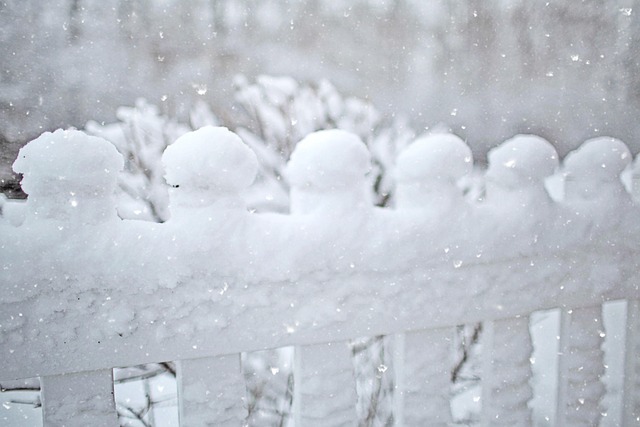
In New Bedford, a well-maintained fence is not just an addition to your property but a statement of aesthetics and security. However, fences often face common issues like damage from weather, pest infestations, or neglect. This article guides you through the essential aspects of fence care in New Bedford. We’ll explore typical problems, highlighting the advantages of professional repair services. Additionally, we’ll offer insights on selecting durable materials, a detailed installation process, and maintenance tips to ensure your fence stands the test of time.
- Understanding Common Fence Issues in New Bedford
- The Benefits of Professional Fence Repair Services
- Choosing the Right Materials for Your Fence
- Installation Process: Step-by-Step Guide
- Maintenance Tips to Extend Fence Lifespan
Understanding Common Fence Issues in New Bedford
In the coastal city of New Bedford, fences play a vital role in defining property boundaries and enhancing outdoor spaces. However, they often face unique challenges due to the region’s climate and environmental factors. One of the most common issues residents encounter is damage caused by strong winds and harsh winters. The salty sea air can also accelerate corrosion, especially in metal fences. Additionally, fence posts may settle unevenly into the ground, leading to misalignment over time. Overgrown vegetation and tree roots can further compromise the structural integrity of fences. Identifying these typical problems is crucial for homeowners and property managers seeking efficient repair and installation solutions.
The Benefits of Professional Fence Repair Services
Hiring professional fence repair services offers numerous advantages for homeowners. One of the primary benefits is ensuring long-lasting repairs. Experts have the skill and knowledge to identify the root cause of any damage, whether it’s due to weather, pests, or normal wear and tear. They use high-quality materials and techniques, guaranteeing that your fence will be as strong and secure as new.
Professional services also provide peace of mind. You can trust that your fence is in capable hands, especially when dealing with complex issues like structural repairs or replacement. Additionally, professionals often come with liability insurance, protecting you from potential risks and ensuring that any work done adheres to safety standards. This attention to detail and commitment to quality sets professional services apart, making them a wise investment for your home’s exterior.
Choosing the Right Materials for Your Fence
When it comes to fence repair or installation, selecting the appropriate materials is a pivotal decision that can impact the longevity and aesthetic appeal of your fence. The market offers an extensive range of options, from traditional wood to modern vinyl and durable metal. Each material has its unique advantages and considerations. For instance, wood fences exude natural beauty but demand regular maintenance like painting or staining to resist rot and insect damage. Vinyl fences, on the other hand, are low-maintenance, color-lasting, and resistant to both rotting and pest infestation. Metal fences provide exceptional strength and security but may require specialized knowledge for installation and can be more expensive.
In making your choice, factor in factors like climate, budget, desired appearance, and maintenance preferences. Local climates might dictate certain material choices; vinyl, for example, performs better in areas with harsh winters or frequent rainfall. Budgeting is equally crucial; while high-end materials offer enhanced durability, there are cost-effective options that can still provide excellent value over time. Ultimately, selecting the right materials will not only ensure your fence’s structural integrity but also contribute to its visual appeal and longevity.
Installation Process: Step-by-Step Guide
The installation process for a new fence begins with careful planning and preparation. First, assess your property lines and ensure the fence design complies with local regulations. Then, clear the area where the fence will be installed, removing any debris or vegetation that could interfere. Mark out the fence line using stakes and string to establish the exact path.
Next, dig holes for the fence posts, ensuring they are deep enough to provide stability. Place the posts in the holes and use concrete to secure them firmly in place. Allow the concrete to set completely. Once the posts are stable, attach the fence panels or rails using appropriate hardware, such as brackets or nails. Ensure all connections are secure and level before moving on to the next section.
Maintenance Tips to Extend Fence Lifespan
Regular cleaning and inspection are key to maintaining your fence’s lifespan. Remove any debris, leaves, or twigs that may accumulate on top of or around the fence using a soft brush or vacuum. This prevents damage from sharp objects and helps water run off smoothly, avoiding stagnant pools that can attract pests. Inspecting for any signs of wear and tear, such as loose boards, rusted posts, or broken rails, should be done monthly. Addressing these issues promptly will prevent them from escalating into more serious problems.
Repainting or sealing the fence every few years is also essential. This protective layer shields the wood from harsh weather conditions and UV rays, preventing rot and fading. Keep an eye out for any cracks or gaps that may form over time and fill them with suitable filler to maintain structural integrity.