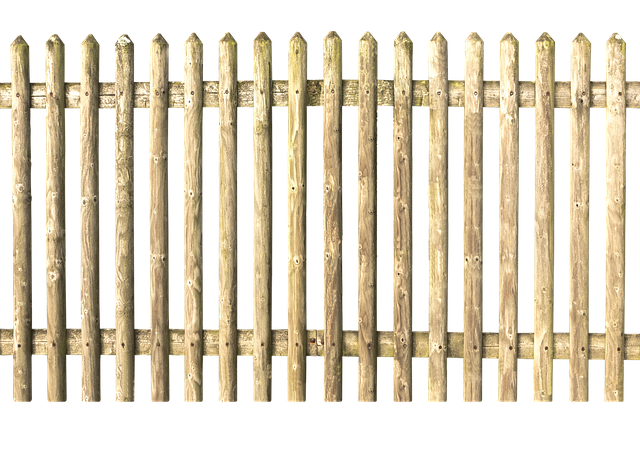
In New Bedford, a well-maintained fence is not just an exterior accent but a vital component of property value and security. This article delves into the essentials of New Bedford fence repair and installation, addressing common issues residents often face, from rotted wooden posts to broken chains. We explore material choices for durability, installation best practices, repair techniques across various fence types, and maintenance tips for longevity. Additionally, we guide homeowners in finding reliable local experts, ensuring a secure and aesthetically pleasing outdoor space.
- Understanding Common Fence Issues in New Bedford
- Choosing the Right Materials for Durability
- Installation Techniques and Best Practices
- Repairing Different Types of Fences
- Tips for Maintenance and Longevity
- Local Experts: Finding Reliable Fence Services
Understanding Common Fence Issues in New Bedford
Fences in New Bedford, like anywhere else, are subject to various issues that can compromise their structural integrity and aesthetic appeal. Common problems include rot or decay, particularly in areas with high moisture content or poor drainage; damage from storms, high winds, or falling debris; and pest infestations, such as termites, which can weaken wooden fences. Additionally, fence posts might sink into soft soil over time, leading to misalignment or an uneven appearance.
The unique climate and local conditions in New Bedford also play a role. Salt air and frequent coastal storms can accelerate the deterioration of materials like wood and vinyl. Rust is another concern for metal fences, especially if not properly maintained. Understanding these common issues is essential for homeowners and property managers to make informed decisions when it comes to fence repair or replacement.
Choosing the Right Materials for Durability
When it comes to fence repair and installation, selecting the right materials is half the battle won. In New Bedford, where climates can vary widely, durability should be the top priority. Opting for high-quality, weather-resistant options such as vinyl or treated wood ensures your fence can withstand harsh winters and hot summers without succumbing to rot, rust, or warping.
Consider factors like exposure to sunlight, moisture, and extreme temperatures when making your choice. For instance, vinyl fences are low maintenance and highly durable, offering a long-lasting solution that requires minimal upkeep. Alternatively, treated wood, though requiring more initial care, can last for decades with proper treatment, adding a natural aesthetic to your outdoor space while still providing robust protection.
Installation Techniques and Best Practices
When it comes to fence installation, the techniques employed can significantly impact the structure’s longevity and overall appearance. Professionals often use a combination of traditional and modern methods to ensure stability and durability. One common practice is digging pilot holes at strategic points along the proposed fence line, especially in areas with varying terrain or loose soil. These holes allow for a more secure foundation, preventing uneven settling.
Best practices also dictate the use of high-quality materials and proper alignment. Fence posts should be set upright and secured firmly in place to withstand various weather conditions. Additionally, ensuring a level and straight fence line not only enhances aesthetics but also prevents future issues like warping or tilting. Regular inspections during installation are crucial to catch any misalignments early on, ensuring the final product is both visually appealing and structurally sound.
Repairing Different Types of Fences
Fences come in various types, each with unique characteristics and repair requirements. Wooden fences, common in many neighborhoods, often need occasional staining, painting, or replacement of rot-damaged sections. Metal fences, while durable, may require welding or replacement of bent or corroded panels. Privacy fences made from lattice or solid boards demand regular cleaning to remove dirt and mildew, and damaged posts might need to be replaced.
When repairing a fence, it’s crucial to identify the type of material and any existing damage. For instance, rot in wooden fences can be addressed by replacing the affected sections, while metal fences may require professional welding services. Proper repair techniques ensure the fence not only looks good but also maintains structural integrity, enhancing the overall safety and value of your property.
Tips for Maintenance and Longevity
Regular maintenance is key to ensuring your new fence remains sturdy and durable for years to come. Start by inspecting it frequently, looking out for any signs of damage, rot, or loose posts. Keeping an eye on these issues early can prevent small problems from escalating. Cleaning the fence regularly, especially after harsh weather conditions, will help remove debris and dirt that could impede its performance.
For wooden fences, applying a fresh coat of sealant every couple of years is vital to protect against moisture and UV damage. Metal fences also benefit from occasional painting or coating to prevent rusting and corrosion. Additionally, trim any overhanging branches nearby as they can cause strain on the fence structure.
Local Experts: Finding Reliable Fence Services
When it comes to finding reliable fence services, New Bedford residents have a wealth of options. However, with so many companies vying for your business, it’s essential to choose experts who understand the local landscape and weather patterns that can impact fence repair and installation. Look for contractors who are deeply rooted in the community and have built a reputation over time.
Word-of-mouth recommendations from neighbors or friends can be invaluable. Additionally, checking online reviews and ratings can give you insight into the quality of service and customer satisfaction. Reliable fence experts will offer tailored solutions, use high-quality materials, and stand behind their work with warranties. They should also be insured to protect both parties in case of any unforeseen issues during the project.