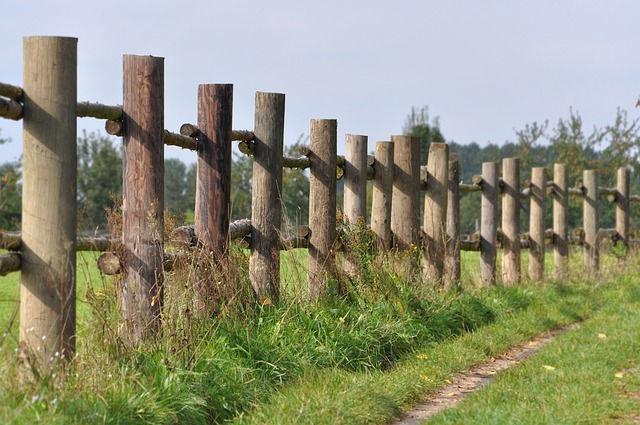
Fence Staining and Sealing: A Comprehensive Guide to Protecting Your Wooden Fences
Maintaining an attractive and durable wooden fence is essential for enhancing your outdoor space. This article provides a comprehensive guide on fence staining and sealing, offering insights into the benefits and various types of stains available. We’ll walk you through the preparation process, ensuring your fence is ready for application. Additionally, we’ll help you navigate the selection of the right stain and sealer based on your needs, followed by a step-by-step guide to achieve a professional finish.
- Understanding Fence Staining: Benefits and Types
- Preparing Your Wooden Fence for Staining and Sealing
- Choosing the Right Stain and Sealer: Factors to Consider
- Step-by-Step Guide: Applying Stain and Sealer to Your Fence
Understanding Fence Staining: Benefits and Types
Fence staining is a process that enhances the appearance and longevity of wooden fences. By applying a coat of stain, you can protect the wood from elements like UV radiation, moisture, and extreme temperatures, preventing premature aging and rot. Additionally, staining allows for creative expression, as it comes in various colors and finishes, enabling you to match your fence’s aesthetic with your landscape design or personal style.
There are two primary types of fence stains: semi-transparent and solid. Semi-transparent stains penetrate the wood, offering moderate protection while still allowing some grain visibility. Solid stains, on the other hand, form a protective film on the surface, providing maximum protection against water damage but obscuring the natural wood grain. Each type has its advantages, catering to different needs and preferences for both functional and aesthetic purposes.
Preparing Your Wooden Fence for Staining and Sealing
Before applying stain or sealer, preparing your wooden fence is a crucial step in ensuring optimal results. Start by thoroughly cleaning the fence to remove any dirt, dust, or debris. Use a pressure washer or a stiff brush and mild detergent to achieve a spotless surface. This initial cleaning will help the stain adhere better and create an even finish.
Next, inspect the wood for any signs of damage, rot, or splinters. Repair or replace any damaged sections to maintain the fence’s structural integrity. Sanding the fence gently can also help smooth out irregularities and create a rough surface that allows the stain to penetrate deeper into the wood fibers. Ensure the wood is dry completely before proceeding to the staining and sealing process.
Choosing the Right Stain and Sealer: Factors to Consider
When selecting a stain and sealer for your wooden fence, several factors come into play. First, consider the type of wood on your fence—different woods may require specific products due to variations in porosity and natural oils. For instance, cedar and redwood have unique properties that can influence the choice of stain to ensure it enhances their natural beauty without causing premature fading.
Additionally, the climate you live in matters. If your area experiences harsh winters or frequent rainfall, opt for a sealer designed to protect against water damage and UV rays. The desired finish is another critical aspect; whether you prefer a transparent sealer for enhanced wood grain or an opaque stain with vibrant color, the product selection should align with your aesthetic vision. Always read labels and follow manufacturer instructions to ensure optimal results.
Step-by-Step Guide: Applying Stain and Sealer to Your Fence
Applying stain and sealer to your wooden fence is a straightforward process that can transform its appearance and protect it from the elements. Here’s a step-by-step guide to help you achieve professional results. First, clean your fence thoroughly to remove any dirt, dust, or debris using a pressure washer or brush. This ensures the stain adheres properly. Once the fence is dry, choose the right stain for your desired color and weather resistance. Apply an even coat of stain using a brush or roller, covering all surfaces evenly. Allow the stain to dry completely according to the manufacturer’s instructions. After the stain dries, apply a layer of high-quality sealant to seal in the color and protect the wood from water damage, UV rays, and harsh weather conditions. Use a clean brush or roller for application, ensuring even coverage. Let the sealant dry thoroughly before allowing foot traffic or exposing it to heavy rain.